
The Theme of Cowardice
The Master and MargaritaCowardice is presented as the most terrible vice, embodied in Pilate's failure to save Yeshua and the Master's failure to stand up for his art.
increasing Bearing strength in each event
 decreasing
Bearing strength in each eventdecreasingPilate's Fear
The Procrastination
The Internal Struggle
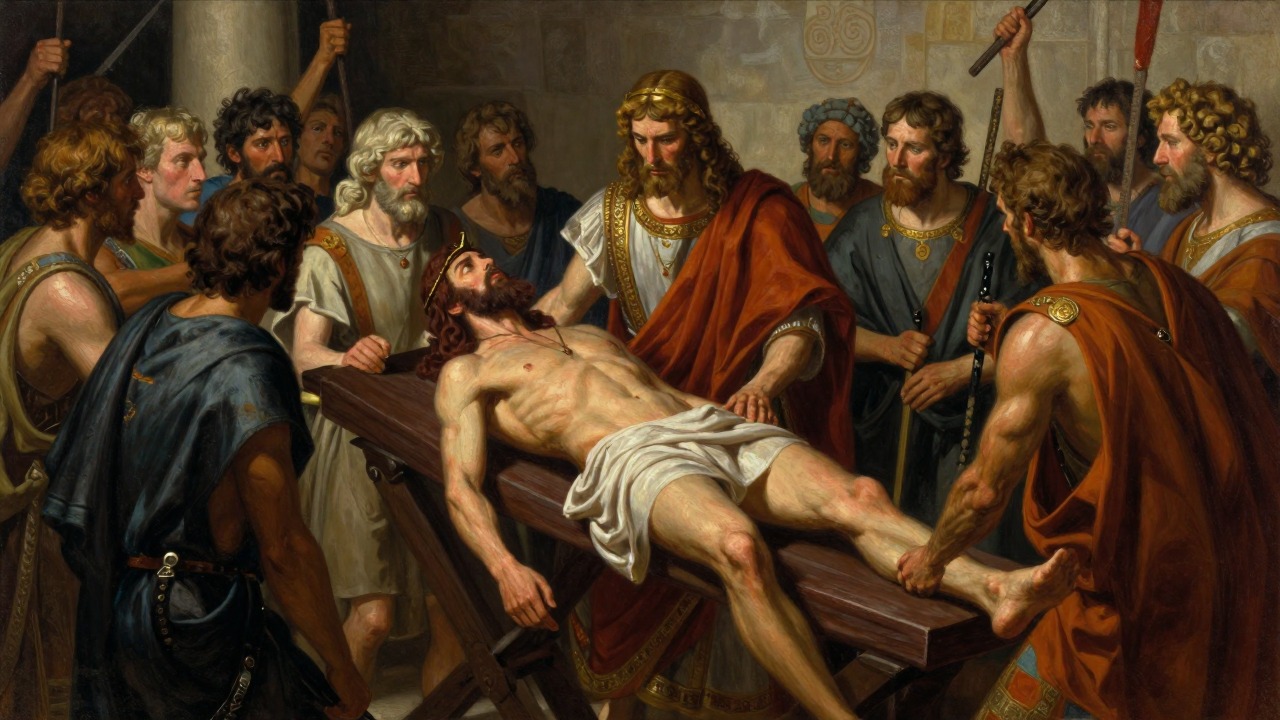
Pilate wants to save Yeshua, but he is afraid of the consequences. The vision of Tiberius Caesar reminds him of the emperor's power. He cannot risk his position.
The Decision
He confirms the death sentence, hoping that the crowd will choose Bar-Rabban. But he knows that he is acting out of cowardice. He washes his hands, but he cannot wash away his guilt.
The Aftermath
Pilate is haunted by his cowardice. He is condemned to sit on a stone for two thousand years, waiting for forgiveness. The novel makes clear that cowardice is the most terrible vice.
The Master's Fear
The Breakdown
The Pressure
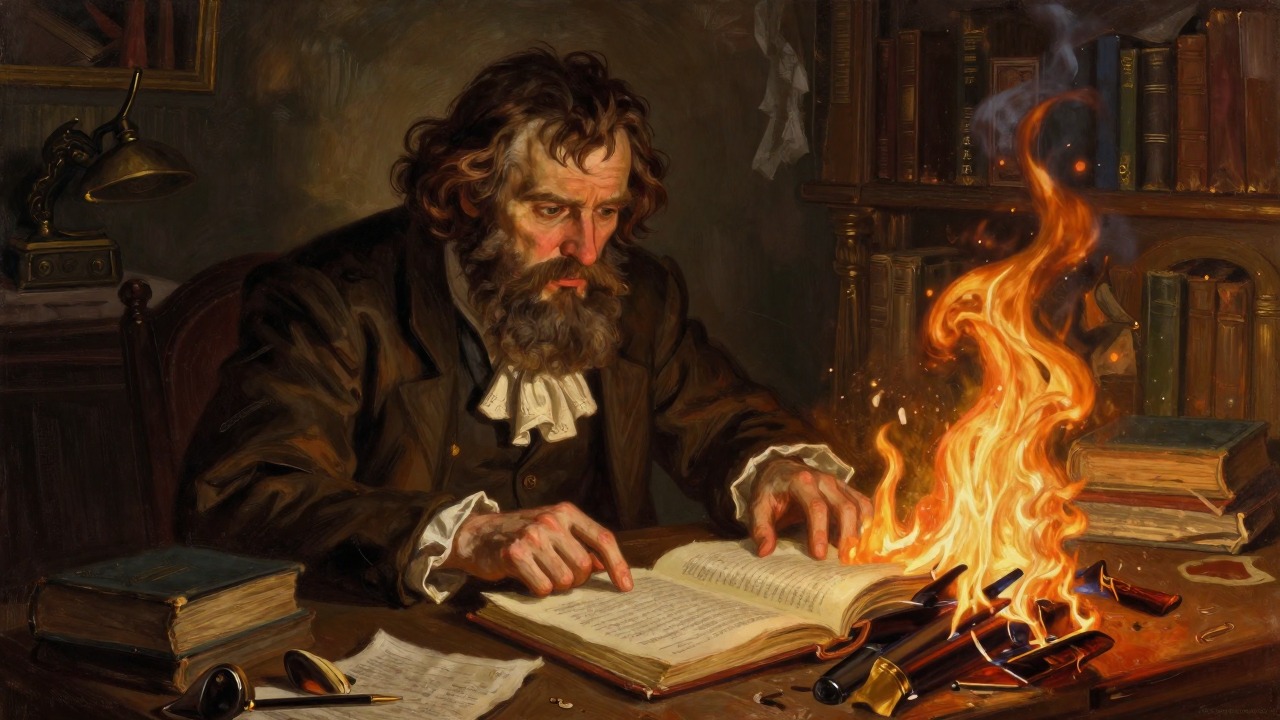
The Master is persecuted by critics. He becomes afraid of the dark, of the outside world. He cannot cope with the hostility.
The Burning
In a panic, he burns his novel. He destroys his own work out of fear. He later regrets it, but the damage is done.
The Consequence
The Master ends up in a psychiatric clinic, broken. His cowardice leads to his isolation. However, he is eventually given a second chance and peace, but his cowardice is a flaw.
The Redemption
The Forgiveness
Pilate's Release
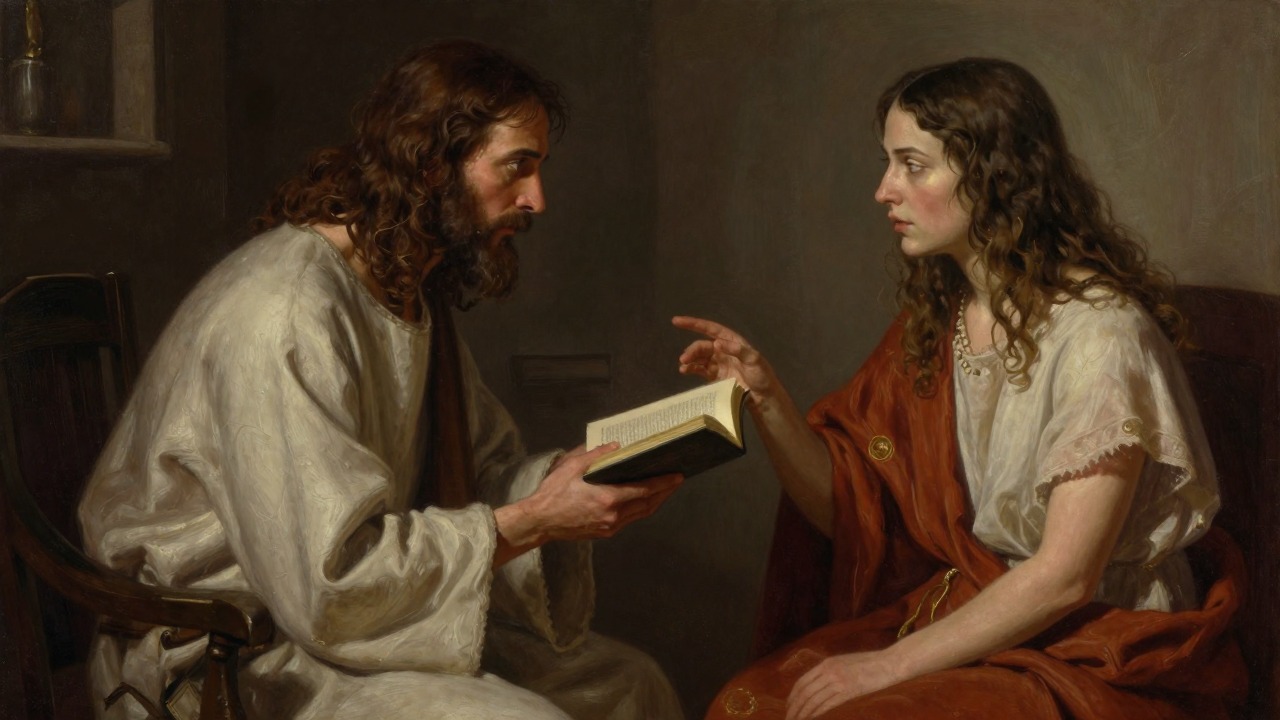
Pilate is finally released from his punishment. Yeshua speaks to him, and he is forgiven. The novel suggests that even cowardice can be redeemed through sincere regret.
The Master's Peace
Though the Master was cowardly, he is granted peace with Margarita. His suffering is not a punishment but a path to understanding.
The Message
The theme of cowardice is a warning. The novel urges readers to act with courage, but it also shows that mercy is possible for those who repent.
Morning of the trial
Autumn after the novel's rejection
By the end of the novel
